The National Oceanic and Atmospheric Administration (NOAA) has released its Winter Weather Outlook for 2025. The outlook provides a general overview of what type of winter weather conditions can be expected across the United States. This information can be helpful for businesses, governments, and individuals to make preparations for the upcoming winter season.
The NOAA Climate Prediction Center (CPC) uses a variety of factors to create the Winter Weather Outlook, including sea surface temperatures, atmospheric circulation patterns, and long-range climate models. The CPC then uses this information to develop forecasts for temperature and precipitation for the upcoming winter season.
According to the National Oceanic and Atmospheric Administration (NOAA), here are seven important points about the Winter Weather Outlook for 2025:
This information can be helpful for businesses, governments, and individuals to make preparations for the upcoming winter season.

La Niña is a climate pattern that occurs when the surface waters of the equatorial Pacific Ocean are cooler than normal. This can have a significant impact on weather patterns around the world, including the United States.
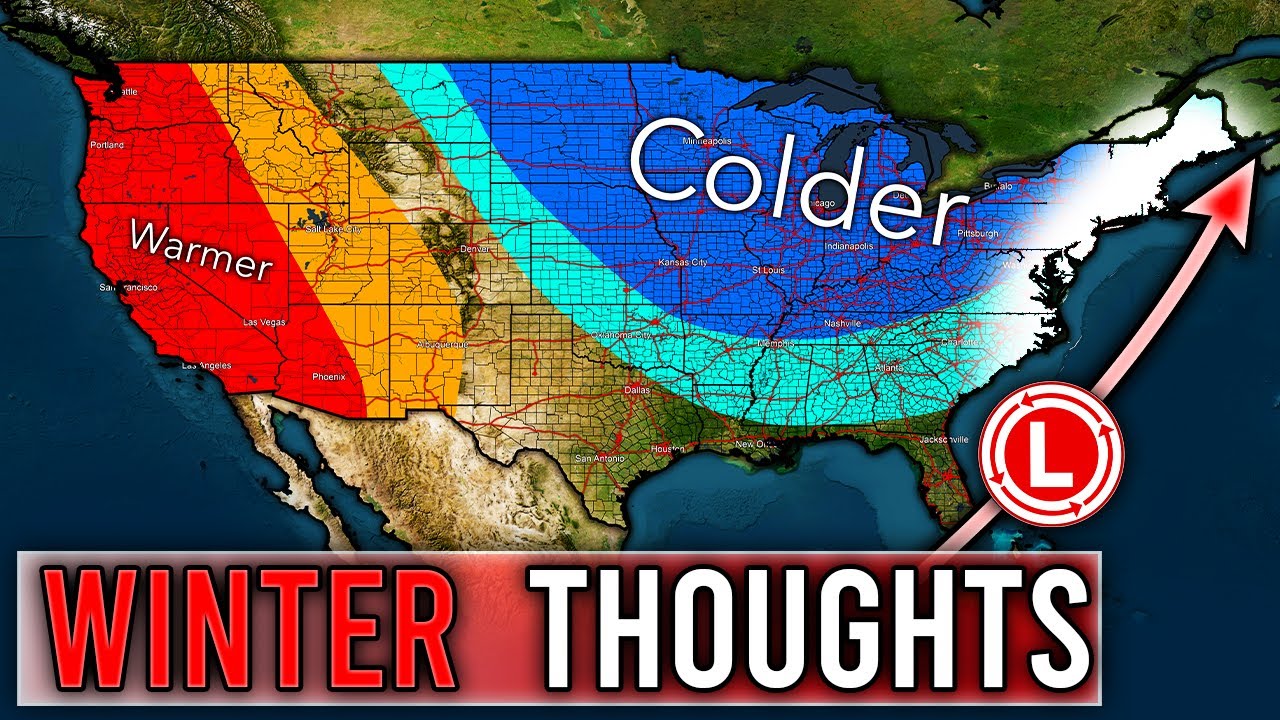
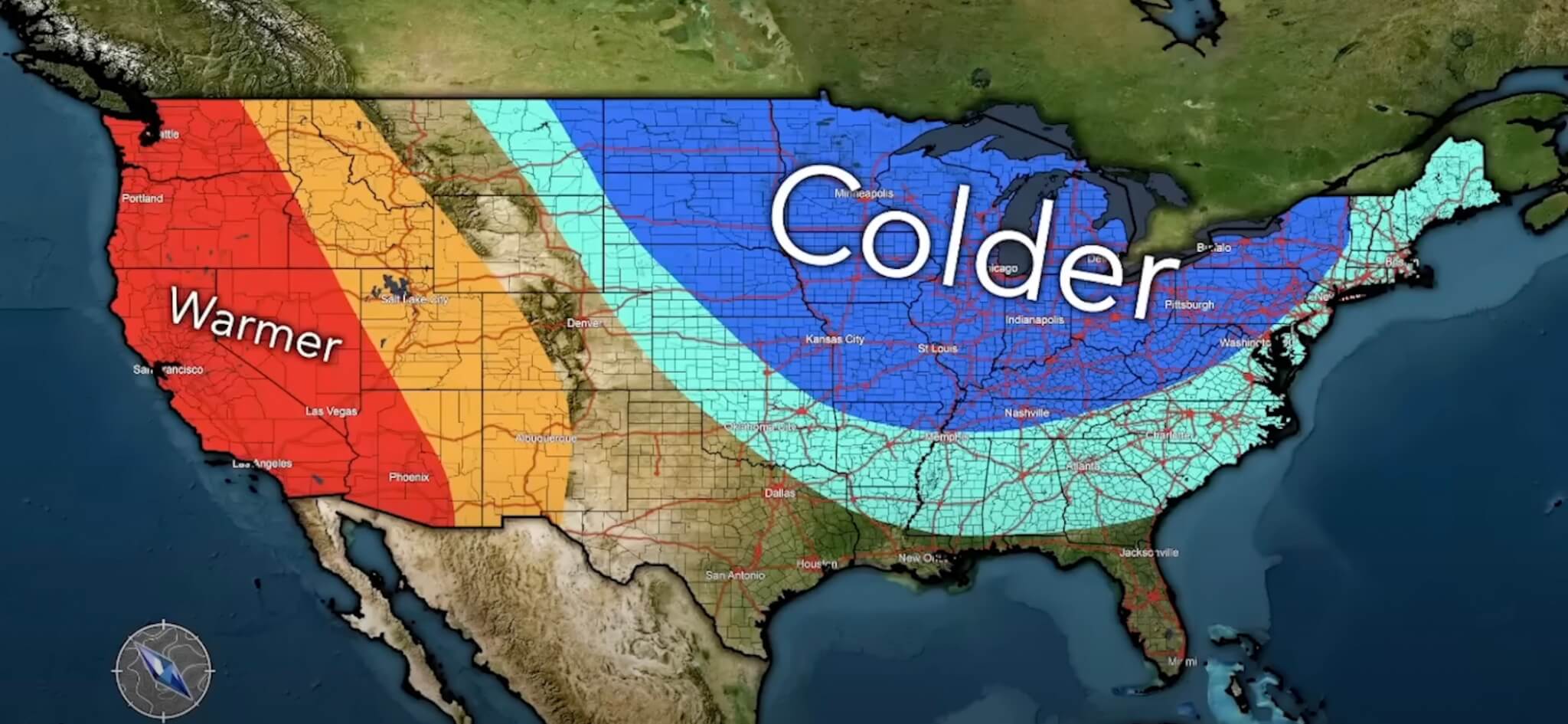
La Niña is currently in its third year, and it is likely to persist through the winter of 2025-2025. This means that the United States is likely to experience a warmer and drier than average winter in the southern and eastern parts of the country, and a wetter and colder than average winter in the northern and western parts of the country.
The following are some of the specific impacts that La Niña is likely to have on the United States this winter:
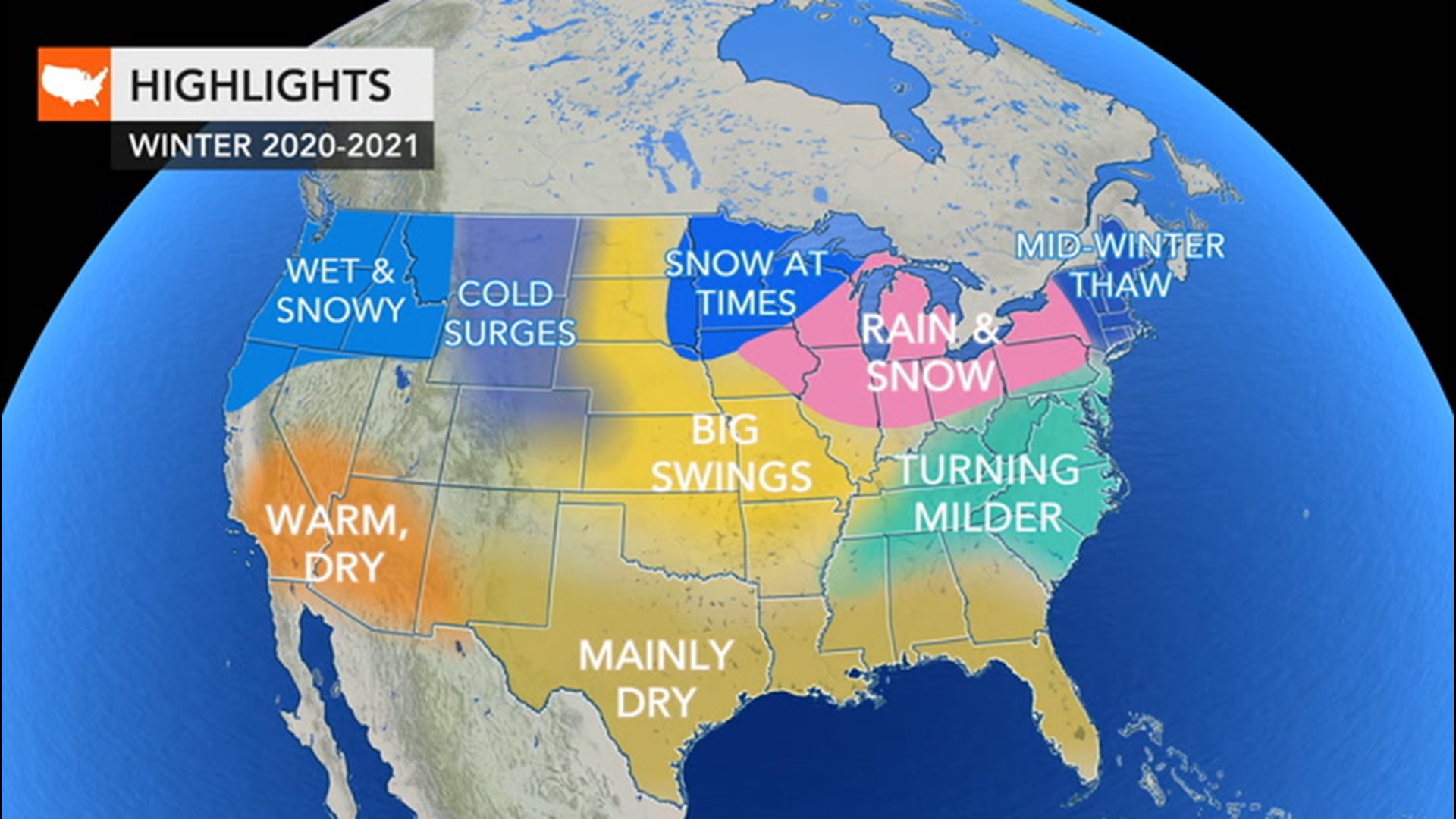
These are just some of the potential impacts of La Niña on the United States this winter. It is important to note that these are just general trends, and there will be regional variations. For example, some areas may experience more severe weather than others.
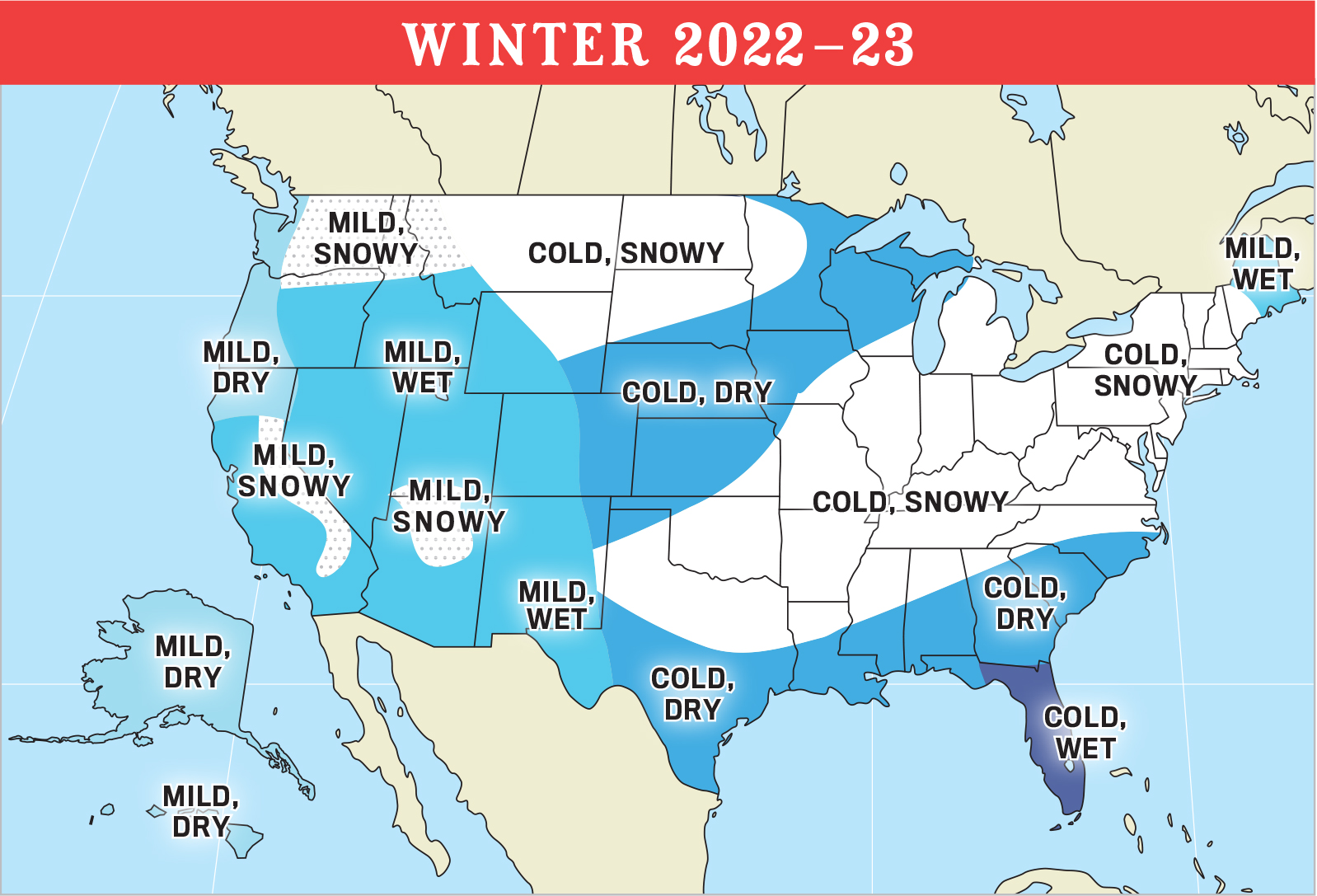
The southern United States is likely to experience above-average temperatures this winter. This is due to the La Niña pattern, which is characterized by cooler than normal sea surface temperatures in the equatorial Pacific Ocean. This pattern tends to lead to warmer and drier conditions in the southern United States during the winter months.
These are just some of the potential impacts of above-average temperatures in the South this winter. It is important to note that these are just general trends, and there will be regional variations. For example, some areas may experience more severe weather than others.

The western United States is likely to continue to experience drought conditions this winter. This is due to a combination of factors, including La Niña, which tends to lead to drier conditions in the western United States during the winter months, and long-term climate change, which is causing the region to become warmer and drier.

These are just some of the potential impacts of the drought in the western United States this winter. It is important to note that these are just general trends, and there will be regional variations. For example, some areas may experience more severe drought conditions than others.
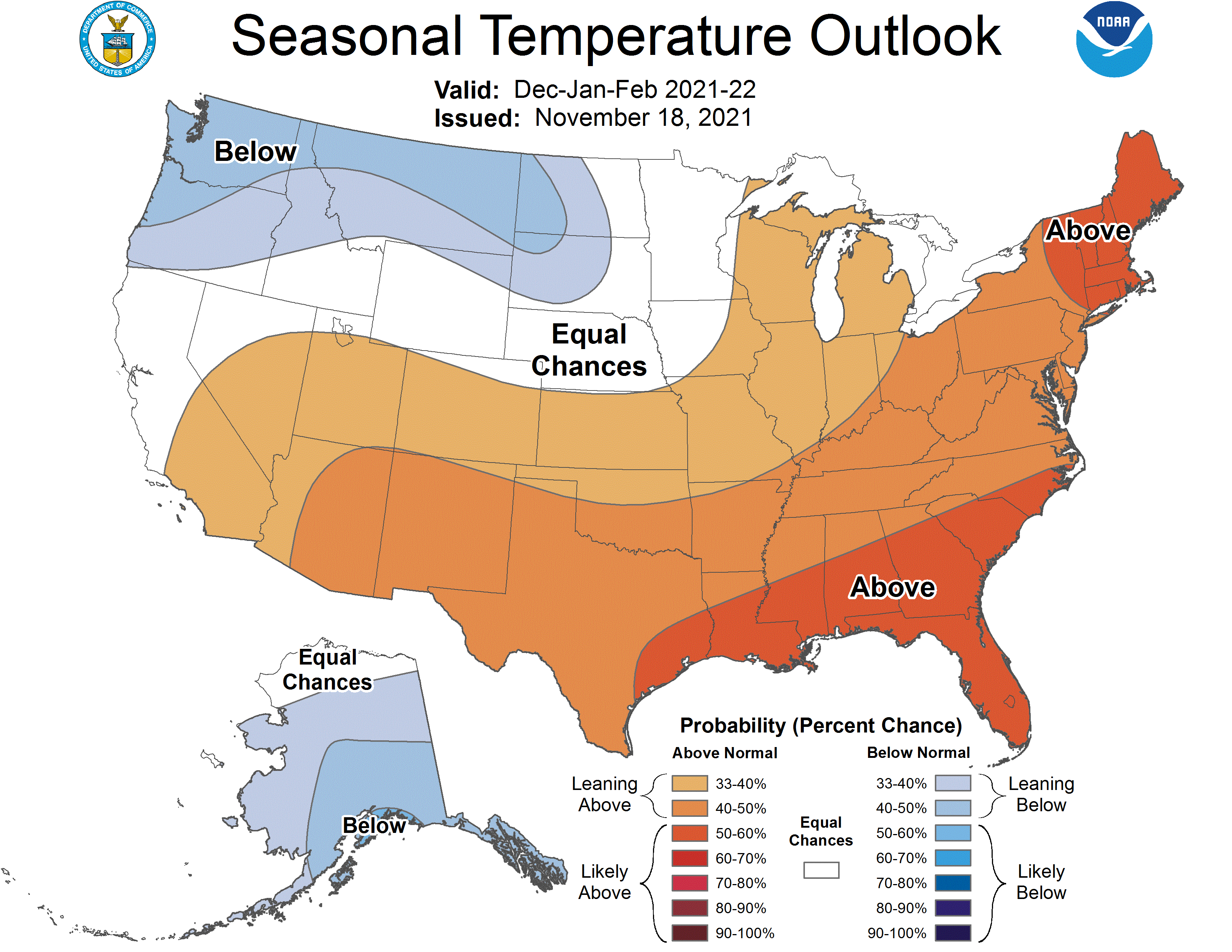
The northern United States is likely to experience wetter-than-average conditions this winter. This is due to the La Niña pattern, which tends to lead to wetter and colder conditions in the northern United States during the winter months.
The following are some of the specific impacts that wetter-than-average conditions are likely to have on the northern United States this winter:
These are just some of the potential impacts of wetter-than-average conditions in the northern United States this winter. It is important to note that these are just general trends, and there will be regional variations. For example, some areas may experience more severe weather than others.
The Mississippi Valley is likely to experience an increased risk of flooding this winter. This is due to a combination of factors, including La Niña, which tends to lead to wetter and colder conditions in the Mississippi Valley during the winter months, and the fact that the Mississippi River is already at or above flood stage in many areas.
These are just some of the potential impacts of increased flooding in the Mississippi Valley this winter. It is important to note that these are just general trends, and there will be regional variations. For example, some areas may experience more severe flooding than others.
The northern tier of the United States is likely to experience an active storm track this winter. This means that the region is likely to be hit by a number of storms, including snowstorms, ice storms, and rain storms.
These are just some of the potential impacts of an active storm track across the northern tier this winter. It is important to note that these are just general trends, and there will be regional variations. For example, some areas may experience more severe storms than others.
The eastern United States is likely to experience colder-than-average temperatures this winter. This is due to a combination of factors, including La Niña, which tends to lead to colder and drier conditions in the eastern United States during the winter months, and the fact that the eastern United States is still recovering from the recent cold snap.
These are just some of the potential impacts of colder-than-average temperatures in the eastern United States this winter. It is important to note that these are just general trends, and there will be regional variations. For example, some areas may experience more severe cold weather than others.
Question 1: What is La Niña?
Answer: La Niña is a climate pattern that occurs when the surface waters of the equatorial Pacific Ocean are cooler than normal. This can have a significant impact on weather patterns around the world, including the United States.
Question 2: What are the impacts of La Niña on the United States?
Answer: La Niña can have a variety of impacts on the United States, including warmer and drier conditions in the southern and eastern parts of the country, and wetter and colder conditions in the northern and western parts of the country.
Question 3: What is the outlook for the winter of 2025?
Answer: The outlook for the winter of 2025 is for La Niña to persist, which means that the United States is likely to experience a warmer and drier than average winter in the southern and eastern parts of the country, and a wetter and colder than average winter in the northern and western parts of the country.
Question 4: What are the potential impacts of the winter weather outlook for 2025?
Answer: The potential impacts of the winter weather outlook for 2025 include increased risk of flooding in the Mississippi Valley, an active storm track across the northern tier, and colder-than-average temperatures in the east.
Question 5: What can I do to prepare for the winter weather outlook for 2025?
Answer: There are a number of things you can do to prepare for the winter weather outlook for 2025, including stocking up on food and water, having a plan for how you will stay warm, and making sure your home is weatherized.
Question 6: Where can I get more information about the winter weather outlook for 2025?
Answer: You can get more information about the winter weather outlook for 2025 from the National Oceanic and Atmospheric Administration (NOAA) website.
Question 7: What are the tips for winter weather preparation?
Answer: Tips for winter weather preparation include staying informed about the forecast, dressing in layers, and having a winter emergency kit.
In addition to the information provided in the FAQ, here are some additional tips for winter weather preparation:
Tip 1: Stay informed about the forecast. One of the best ways to prepare for winter weather is to stay informed about the forecast. This will help you to make informed decisions about when to travel, what to wear, and how to protect your property.
Tip 2: Dress in layers. When dressing for winter weather, it is important to dress in layers. This will help you to trap warm air and stay comfortable. Start with a base layer of moisture-wicking fabric, such as merino wool or synthetic fibers. Then, add a mid-layer of insulation, such as fleece or down. Finally, add a waterproof and windproof outer layer.
Tip 3: Have a winter emergency kit. In the event of a winter storm, it is important to have a winter emergency kit. This kit should include items such as food, water, a first-aid kit, a flashlight, and a battery-powered radio. You should also have a plan for how you will stay warm if your power goes out.
Tip 4: Protect your property. Winter weather can damage your property, so it is important to take steps to protect it. Make sure that your roof and gutters are clear of snow and ice. You should also insulate your home and seal any cracks or gaps around windows and doors.
Tip 5: Be prepared for power outages. Winter storms can cause power outages, so it is important to be prepared. Have a battery-powered radio and flashlights on hand. You should also have a plan for how you will cook and heat your home if the power goes out.
By following these tips, you can help to ensure that you and your family are prepared for winter weather.
The Winter Weather Outlook for 2025 is calling for a warmer and drier than average winter in the southern and eastern parts of the United States, and a wetter and colder than average winter in the northern and western parts of the country. This is due to the La Niña pattern, which is characterized by cooler than normal sea surface temperatures in the equatorial Pacific Ocean.
The potential impacts of the winter weather outlook for 2025 include increased risk of flooding in the Mississippi Valley, an active storm track across the northern tier, and colder-than-average temperatures in the east.
It is important to be prepared for winter weather, regardless of where you live in the United States. By following the tips in this article, you can help to ensure that you and your family are safe and comfortable this winter.